Basement flood restoration: flood cut and structural drying
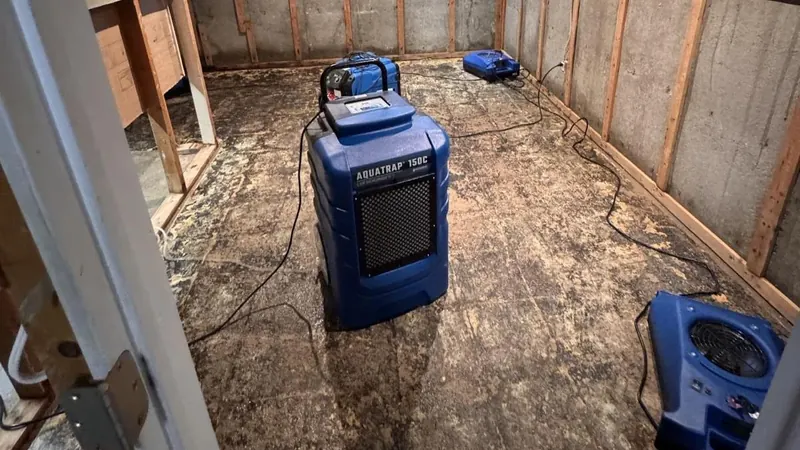
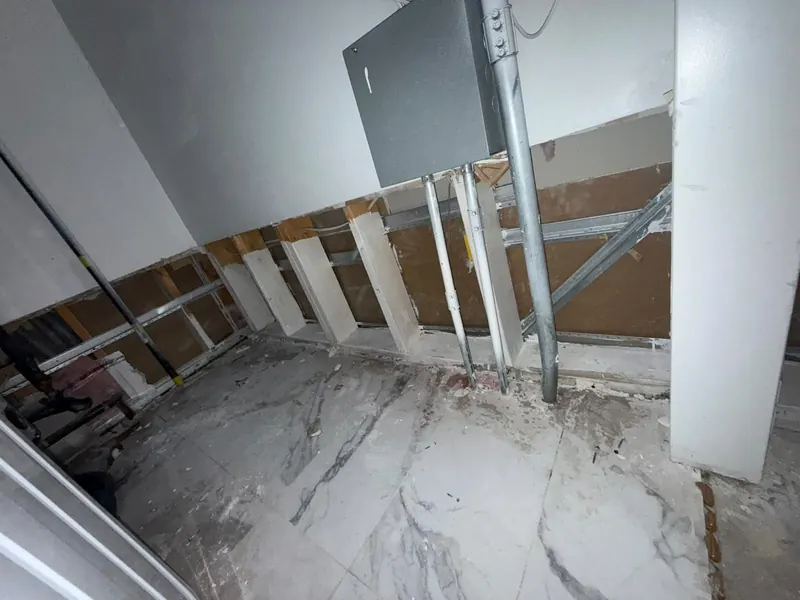
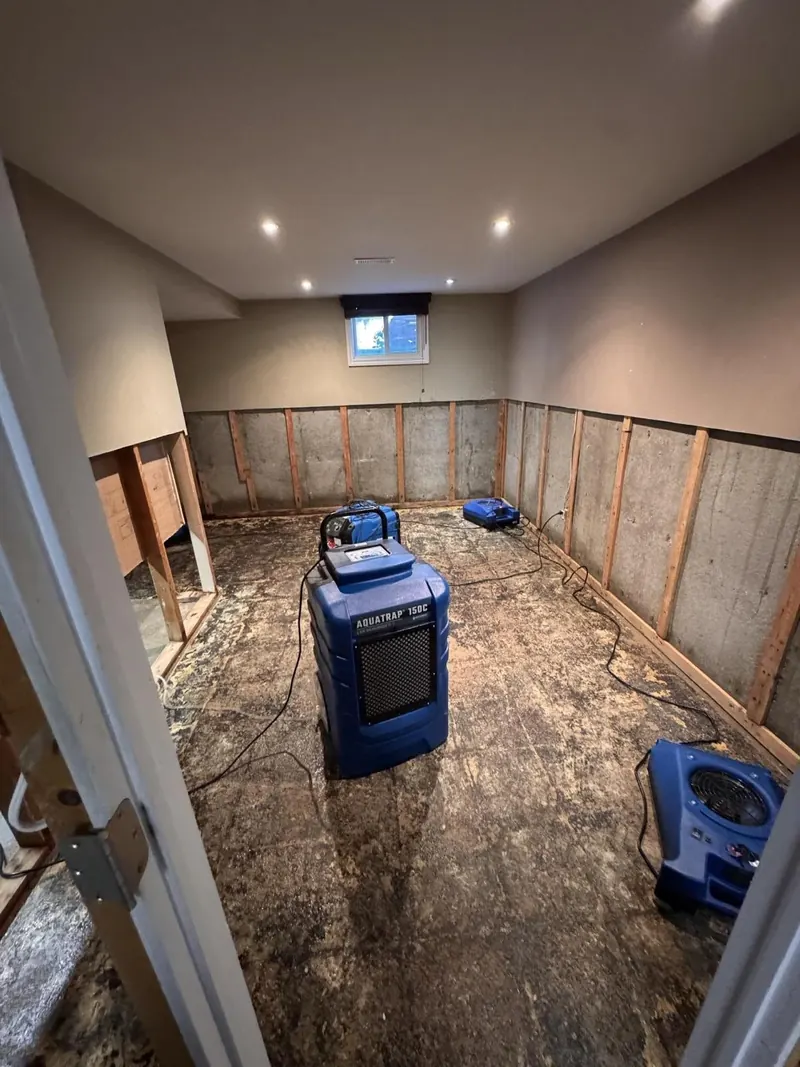
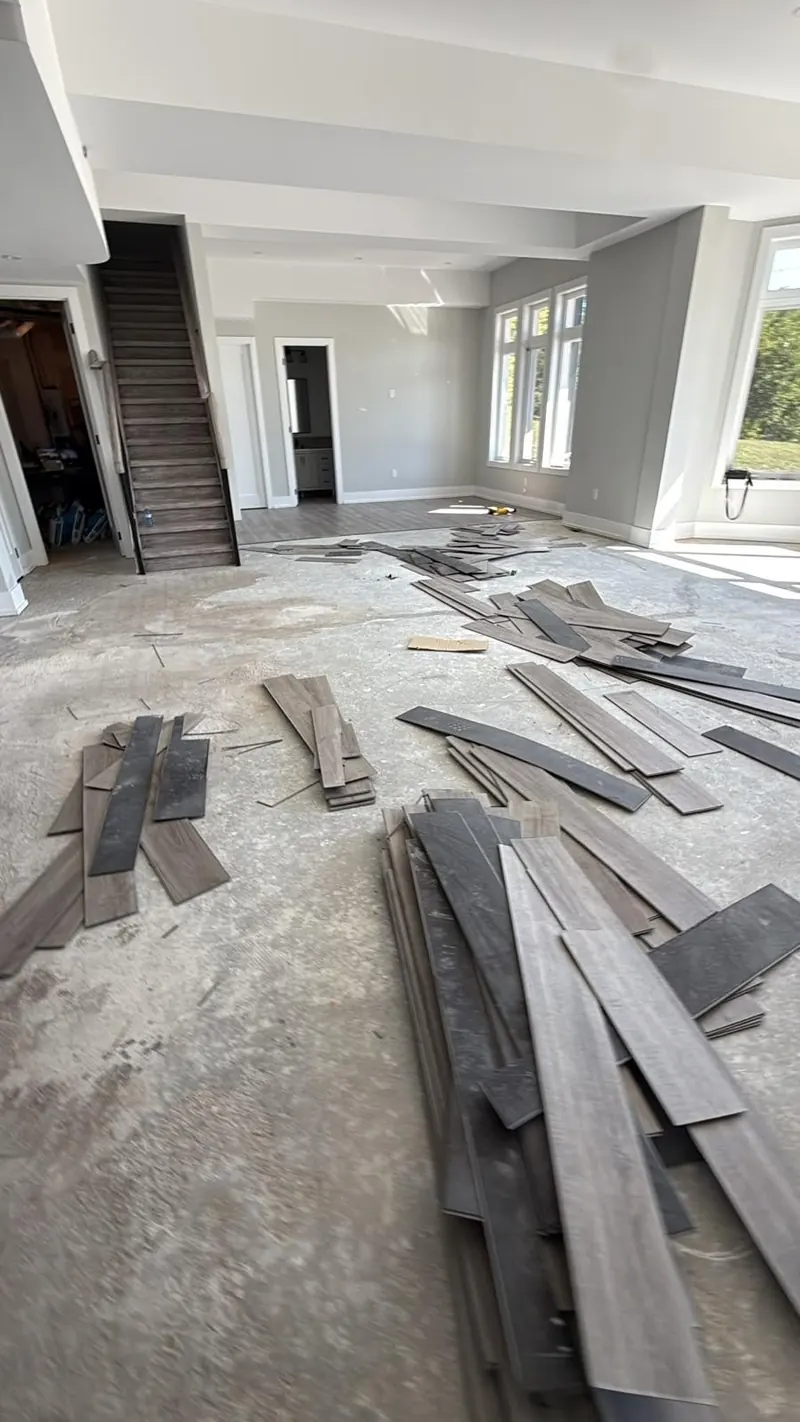
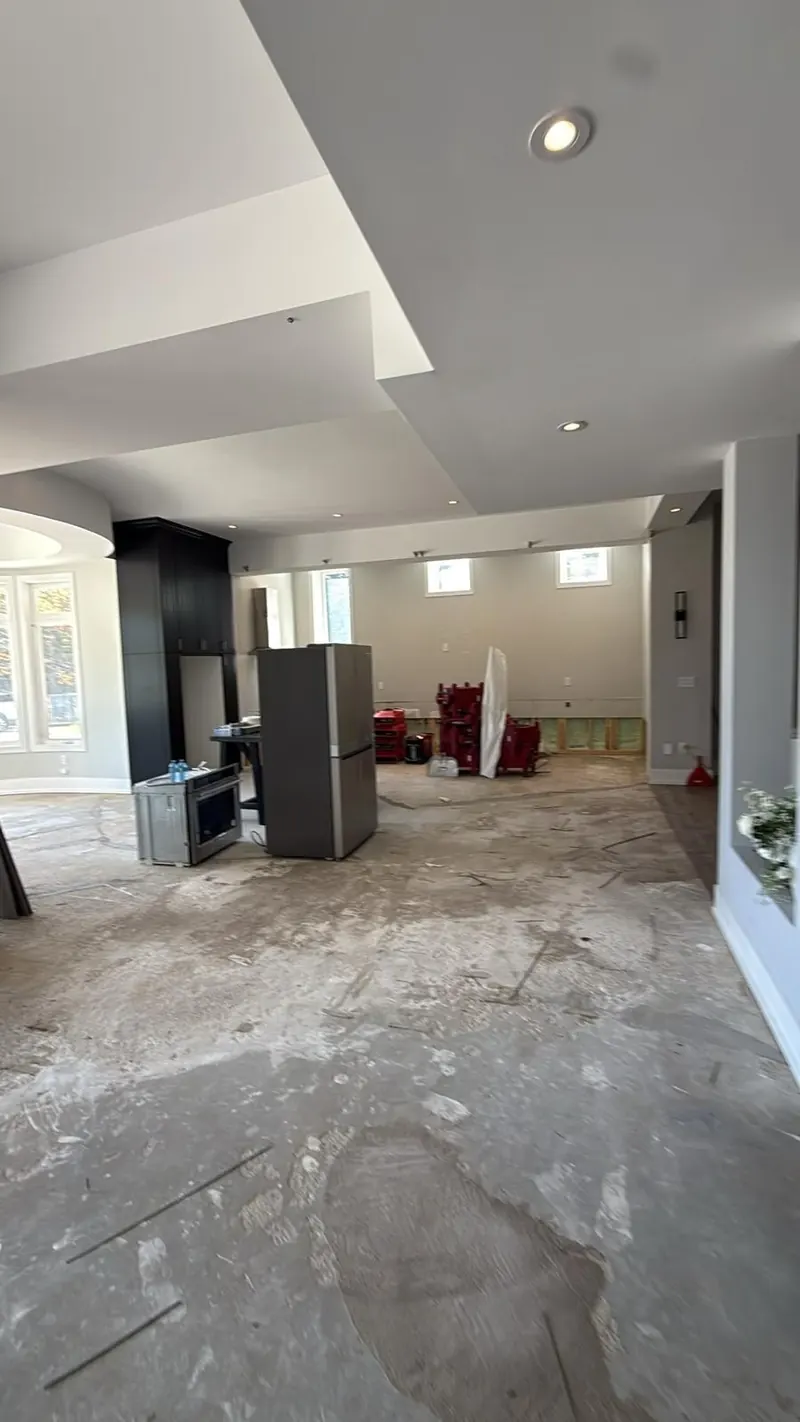
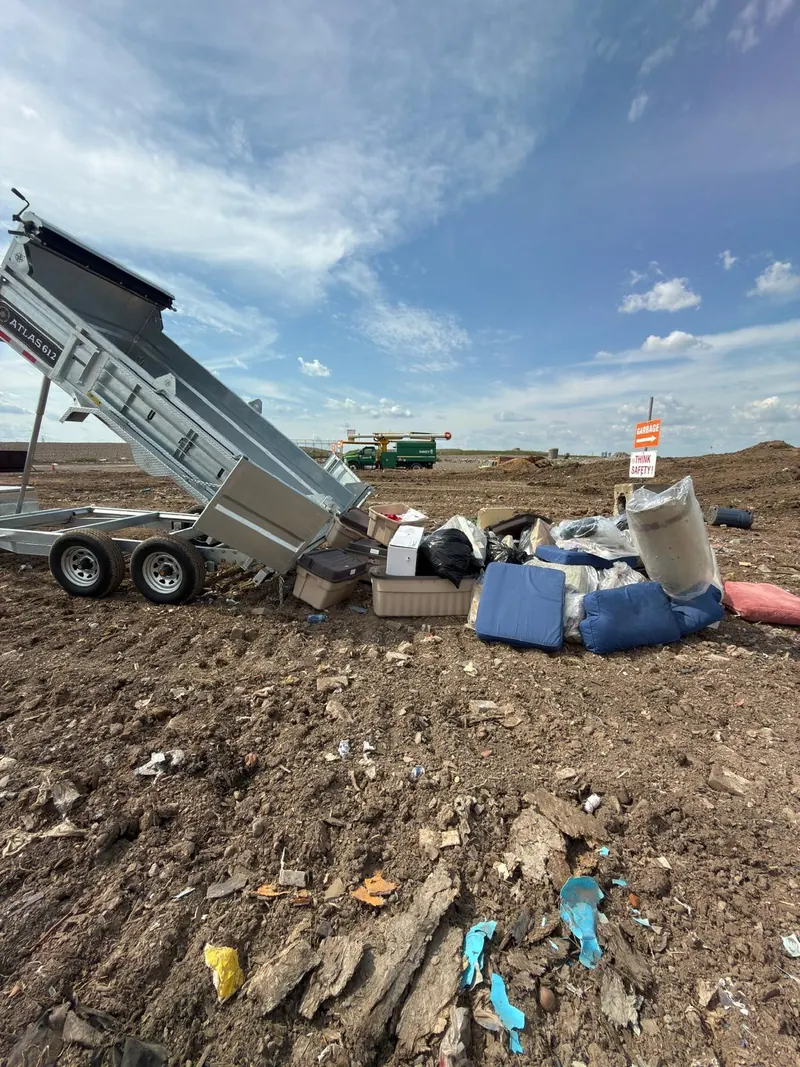
Wet flooring out, drywall cut above the water line, and commercial dehumidifiers and air movers drying the framing and slab — then every bag of debris hauled away.
- Water-damaged flooring removed
- Drywall flood cut above the water line
- LGR dehumidifiers and air movers
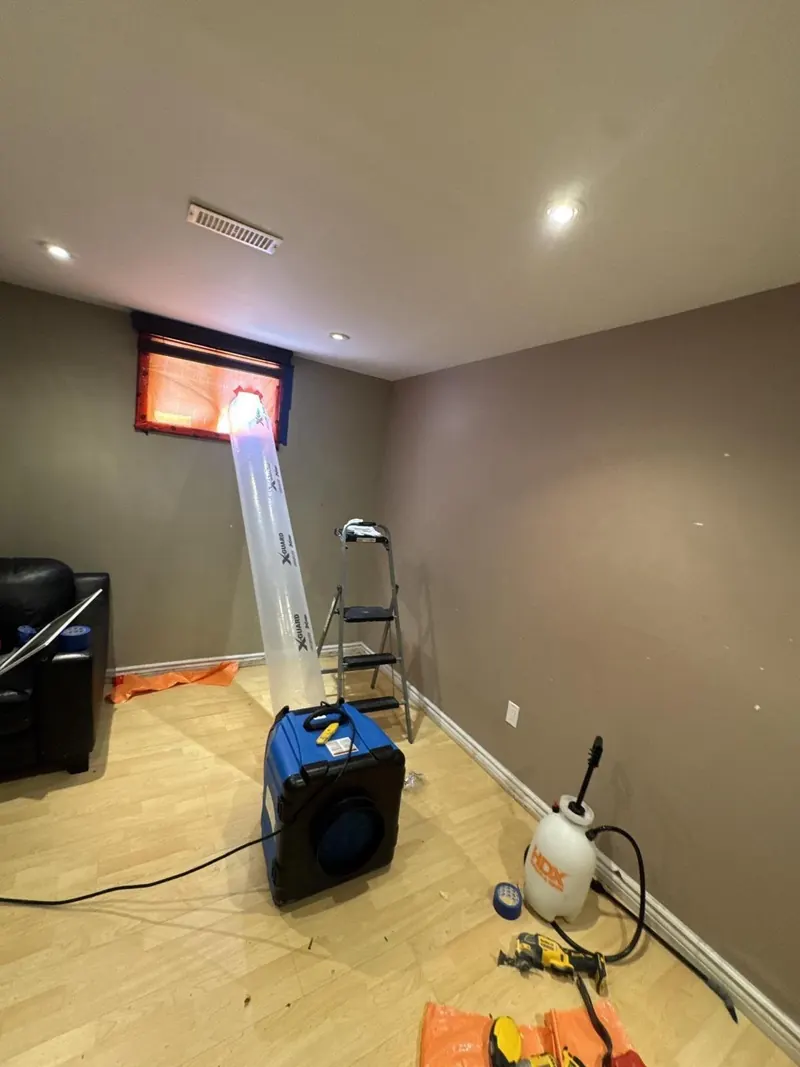
- Air filtration exhausting outdoors
Need this done at your property?
Tell us what's happening. A real person from our team will call you right back — day or night.
Photos from the field
Straight from our crew's phones — no staging, no stock images.
Why the flood cut matters
Drywall wicks water upward and hides wet insulation and framing behind it. Cutting a clean line above the water mark lets the wall cavity dry, lets us check for damage, and makes the rebuild simple.
Drying the structure, not just the air
Commercial LGR dehumidifiers and air movers are placed to move air across wet framing and slab. We take moisture readings every day and pull equipment only when the materials reach their drying goal.
Removal and disposal included
Wet flooring, underlay, drywall and ruined contents are bagged, documented for your insurer and hauled away, so the basement is empty, dry and ready for rebuild.
What we did
- Water-damaged flooring removed
- Drywall flood cut above the water line
- LGR dehumidifiers and air movers
- Air filtration exhausting outdoors
- Daily moisture readings
- Debris hauled and disposed
Questions about this kind of job
Do you always have to cut the drywall?
Not always. Clean water caught quickly can sometimes be dried in place with wall-cavity drying. Grey water, sewage, or drywall that has wicked water usually needs a flood cut. We measure before we decide.
How long until the basement is dry?
Most finished basements are dry in 3 to 5 days with professional equipment. See our guide on basement drying times.
Need this done at your place?
Talk to a real person now — day or night. We explain the plan before we start.